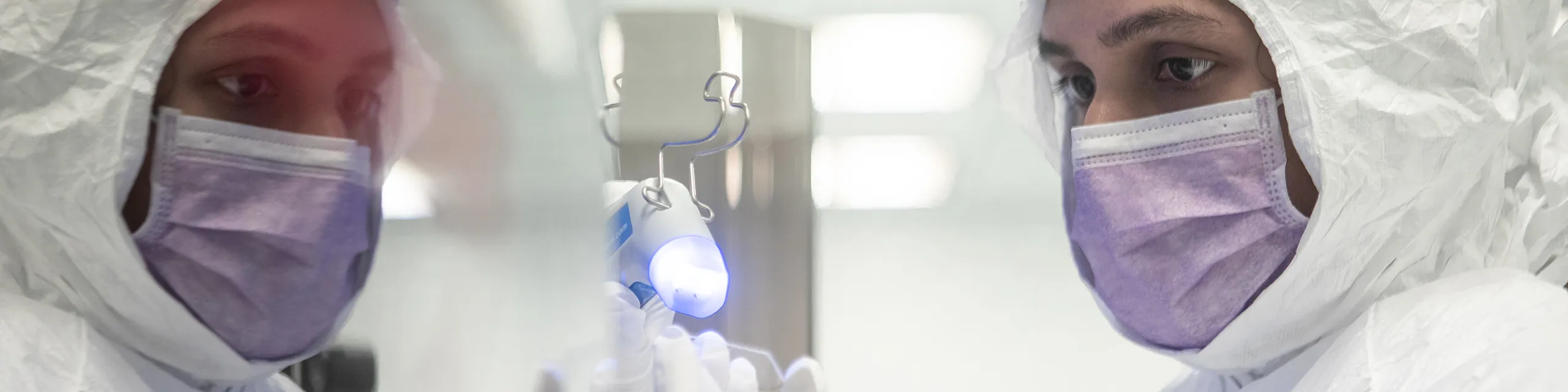
Program Overview
The University of Kansas offers a PhD in Biochemistry and Molecular Biology designed to prepare students for independent research careers in academia, biotechnology, pharmaceuticals, government, and research institutions. Housed within the KU School of Medicine, this doctoral program combines rigorous coursework with deep research immersion, equipping graduates with the expertise to investigate molecular mechanisms, genetics, protein function, and the biochemical foundations of human disease.
Students engage in research spanning cellular signaling, gene regulation, structural biology, and metabolic processes, supported by state-of-the-art core facilities including advanced microscopy, genomics, mass spectrometry, and bioinformatics resources. Application to the program is facilitated through the Interdisciplinary Graduate Program in Biomedical Sciences (IGPBS), which provides an integrated first-year curriculum shared across KU School of Medicine graduate programs.
The program’s interdisciplinary approach allows students to collaborate with faculty across multiple departments, including chemistry, pharmacy, and bioengineering. By combining a strong curriculum with hands-on research experiences, KU ensures that graduates are well-equipped to contribute to scientific innovation and discovery.
Learn more about KU
Graduate
For more information about the program, visit the program page below.
Biochemistry & Molecular Biology, Ph.D.KU School of Medicine
The Doctorate in Biochemistry and Molecular Biology is part of the School of Medicine, a hub for outstanding educational programs and world-class research.Doctorate in Biochemistry and Molecular Biology Learning Outcomes
Graduates of the Molecular Biology PhD program will:
- Develop expertise in molecular biology, biochemistry, and genetics.
- Conduct independent, high-impact research in molecular biosciences.
- Apply advanced laboratory techniques, including CRISPR gene editing and next-generation sequencing.
- Publish original research in peer-reviewed scientific journals.
- Effectively communicate scientific findings through presentations and teaching.
What Careers Are Possible with a Doctorate in Biochemistry and Molecular Biology?
A PhD in Molecular Biology opens doors to diverse career paths. According to Lightcast data, graduates pursue roles such as:
- Biomedical Scientist
- Biotech Researcher
- Pharmaceutical Scientist
- University Professor
- Genomics Specialist
The job outlook for molecular biologists remains strong, with growth in biotechnology, healthcare, and academic research.
Tuition and Financial Aid
Qualified students admitted to the PhD in Biochemistry and Molecular Biology receive graduate teaching assistantships (GTAs) or research assistantships (RAs), with stipends set at IGPBS program rates. Tuition costs are covered by the program for qualified students; students are responsible only for required campus, library, and fitness center fees. Stipends are reviewed and increased periodically to remain competitive with peer programs.
To maintain a GTA or RA, students must be enrolled in a minimum of six credit hours per semester.
For more information about financial support, contact the Department of Biochemistry and Molecular Biology or visit the IGPBS Financial Aid Information page.
Admission Requirements
Prospective students must meet the following admission criteria:
- Bachelor’s degree from an accredited institution, including official transcripts
- A cumulative GPA of 3.0+ on a 4.0 scale
- Resume/CV
- Personal statement: your background, career goals, why you need a PhD, and how IGPBS fits those goals (max 2 pages, single-spaced)
- Research statement: a description of your research experience to date (max 2 pages, single-spaced)
- Background check (required during the admission process; may affect eligibility)
- GRE scores are not required for admission to this program.
- Three letters of recommendation
- Satisfactory completion of prerequisite coursework: one year of general chemistry; one year of organic chemistry (or one semester organic chemistry + one semester biochemistry); one year of biological sciences; one semester of calculus; one semester of physics
- Research experience (beyond labs associated with lecture courses) is strongly suggested.
- Non-native English speakers must submit TOEFL, IELTS, or GATEWAY scores
- Qualified applicants will be invited to interview; final assessment is based on GPA, research experience, and interview
For more information about the application process, visit the KU School of Medicine.
Student Life and Learning Experiences
KU provides a collaborative research environment, where students work on innovative projects in areas such as:
- Cancer biology and therapeutics
- Genetic engineering and synthetic biology
- Infectious disease mechanisms
- Structural and computational biology
Students have access to world-class research facilities and are encouraged to publish findings in leading journals.
Doctorate in Biochemistry and Molecular Biology Sample Courses
The PhD in Molecular Biology curriculum includes core and elective courses that provide a strong foundation in molecular biosciences. Sample courses include:
- Proteins and Metabolism
- Molecular Genetics
- Cellular Structure
- Methods for Analyzing Biomolecules
For a full list of courses, visit the KU Academic Catalog.
Doctorate in Biochemistry and Molecular Biology Frequently Asked Questions
When should I apply?
The application deadline is Dec. 1.
How long will it take to complete the degree?
Students typically complete the PhD in Biochemistry and Molecular Biology in 5–6 years. This includes the first year in the shared IGPBS interdisciplinary curriculum, followed by 4–5 years in the department with advanced coursework, dissertation research, and defense. The program requires a minimum of 35 credit hours of coursework. A maximum of 8 years is allowed.