Program Overview
The Doctor of Philosophy in Ecology and Evolutionary Biology at the University of Kansas is designed for students seeking advanced research expertise in ecological systems, biodiversity, and evolutionary processes. As a research-intensive program, KU’s PhD in ecology offers students access to world-class faculty, research facilities, and diverse fieldwork opportunities across terrestrial, freshwater, and marine systems.
The EEB department is home to approximately 40 faculty members and 80 graduate students representing a wide range of research interests. This large, active community supports a rich intellectual environment where doctoral students engage regularly with leading researchers across ecological and evolutionary disciplines.
Earning a PhD in ecology at KU equips students with the knowledge and skills to become leaders in research, academia, and environmental conservation. This integrated program also supports advanced study aligned with a PhD in evolutionary biology, reflecting the interconnected nature of ecological and evolutionary science. The curriculum emphasizes ecological theory, evolutionary biology, quantitative methods, and applied research techniques. Students explore topics such as population biology, community and ecosystem dynamics, phylogenetics, organismal biology, and environmental interactions, preparing them to address today’s most pressing ecological and evolutionary challenges.
The PhD ecology training model is rooted in KU’s commitment to innovative research and student-driven inquiry. Doctoral candidates work closely with faculty mentors to develop original research projects that contribute meaningful insights to the scientific community. Research areas span biodiversity science, evolutionary genomics, systematics, ecology of global change, behavior, and organismal biology. Students pursuing an evolutionary biology PhD pathway may focus on macroevolution, speciation, adaptation, or evolutionary developmental biology while maintaining strong ecological foundations.
The PhD in ecology program emphasizes scholarly productivity, professional development, and collaborative research. Students gain experience publishing in peer-reviewed journals, presenting at national and international conferences, and contributing to interdisciplinary research initiatives. Graduates emerge prepared for careers in higher education, environmental policy, nonprofit research, governmental agencies, and ecological consulting.
Learn more about KU
Graduate
For more information about the program, visit the program page below.
Ecology & Evolutionary Biology, Ph.D.KU College of Liberal Arts and Sciences
The Doctorate in Ecology and Evolutionary Biology is part of the College of Liberal Arts and Sciences, home to a collaborative and creative community making the world better through inquiry and research.Doctorate in Ecology and Evolutionary Biology Learning Outcomes
Graduates of KU’s PhD in ecology program will:
- Demonstrate broad and integrative knowledge of ecology and evolutionary biology
- Demonstrate an understanding of best research practices and ethical standards in EEB
- Design and conduct independent, hypothesis-driven research that makes original contributions to ecological and evolutionary science
- Apply advanced quantitative and methodological approaches appropriate to doctoral-level research in their field
- Effectively communicate scientific findings through peer-reviewed publications, conference presentations, and professional engagement
These outcomes reflect the rigorous preparation expected of students completing a PhD evolutionary biology or ecology-focused doctoral pathway.
What Careers are Possible with a Doctorate in Ecology and Evolutionary Biology?
A PhD in ecology opens diverse and impactful career pathways. According to Lightcast data, professionals with advanced degrees in ecology and evolutionary biology may pursue roles such as:
- Environmental Scientist
- Conservation Biologist
- University Professor
- Ecological Consultant
- Wildlife Biologist
Graduates of a PhD in evolutionary biology or ecology-focused doctorate frequently work in federal and state agencies, environmental organizations, research institutions, museums, nonprofit conservation groups, and colleges and universities. Some also contribute to industry roles in environmental assessment, sustainability strategy, and biodiversity analytics.
Career outcomes reflect the strong research foundation built through the PhD ecology training model, preparing graduates for leadership in scientific discovery and environmental problem-solving.
Tuition and Financial Aid
The PhD in ecology provides a competitive funding package to all admitted PhD students. Support includes ten semesters of financial assistance, a graduate stipend, full tuition sponsorship, and access to subsidized student health insurance. Funding is typically provided through a combination of Graduate Teaching Assistant (GTA), Graduate Research Assistant (GRA), or Curatorial Assistant (CA) positions, or fellowships. The department also provides funds for students to travel to professional meetings to present their research, and additional support is available through departmental endowment funds.
KU provides competitive financial support for graduate students through fellowships, scholarships, and assistantships. For details on tuition and funding opportunities, visit the KU Financial Aid & Scholarships Office.
Admission Requirements
Prospective students applying to KU’s PhD in ecology program must meet the following criteria:
- Bachelor’s degree from an accredited institution, including official transcripts
- A master’s degree is not a prerequisite
- A graduate student should have a broad undergraduate background in natural science and math, including calculus, physics, chemistry, organismal biology, genetics, ecology, and evolutionary biology
- Applicants are encouraged to seek a faculty sponsor through correspondence with one or more faculty members prior or during the application process
- Non-native speakers of English must meet English proficiency requirements
For compelete admission details, please visit the Department of Ecology & Evolutionary Biology.
Student Life and Learning Experience
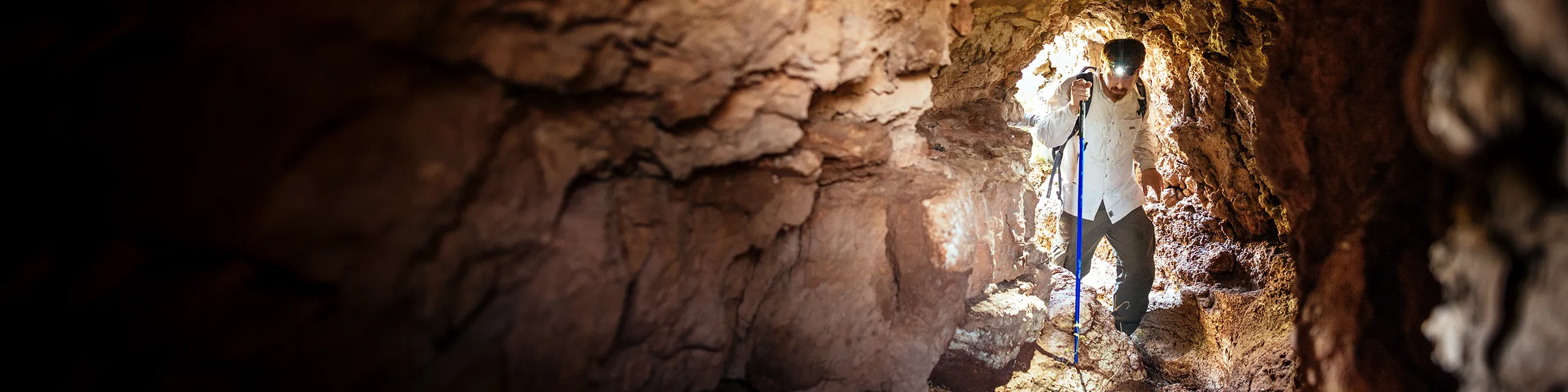
The PhD in ecology program emphasizes hands-on research, immersive fieldwork, and collaborative scholarship. Students conduct research in laboratories, field stations, museums, and natural habitats, benefiting from KU’s strengths in biodiversity science and evolutionary research.
Doctoral students in this ecology PhD environment engage in faculty-led research initiatives addressing ecosystem resilience, biodiversity conservation, evolutionary processes, climate change, and organismal adaptation. Opportunities for interdisciplinary collaboration extend across biological sciences and related research units.
The KU campus in Lawrence, Kansas, offers a vibrant academic community enriched by research symposiums, cultural programming, scientific seminars, and professional networking events. Students build lasting scholarly relationships while developing the independence and leadership skills expected of graduates of leading ecology PhD programs.
Doctorate in Ecology and Evolutionary Biology Sample Courses
The PhD in ecology curriculum provides advanced training in ecological and evolutionary principles, research methods, and analytical techniques. Sample courses include:
- Scientific Integrity in Ecology and Evolutionary Biology
- Biometry
- Core Topics in Current EEB Research Seminar
Coursework supports both ecology-centered research and pathways aligned with a PhD evolutionary biology focus. For a comprehensive list of courses, visit the KU Catalog.
Doctorate in Ecology and Evolutionary Biology Frequently Asked Questions
When should I apply?
Application deadline: December 3, 2025
How long will it take to complete the degree?
Students typically complete this degree in 5-7 years.