Program Overview
The Master of Science in Molecular and Integrative Physiology at the University of Kansas is a research-focused graduate program that explores the complex mechanisms governing human physiology at the molecular, cellular, and integrative levels. Designed for students interested in biomedical sciences, this program provides rigorous training in experimental techniques, critical thinking, and advanced physiological concepts.
KU offers this program through the KU Medical Center, where students gain access to cutting-edge laboratories, interdisciplinary research collaborations, and expert faculty mentors. The program prepares graduates for careers in research, healthcare, academia, and industry or as a stepping stone to doctoral or professional healthcare programs.
- Research-intensive curriculum with opportunities for laboratory work and thesis development.
- Access to state-of-the-art research facilities at the KU Medical Center.
- Faculty mentorship from leading experts in molecular and integrative physiology.
- Career pathways in healthcare, biotechnology, and academia.
- Preparation for further graduate study, including Ph.D. and professional healthcare programs.
Learn more about KU
Graduate
For more information about the program, visit the program page below.
Molecular & Integrative Physiology, MSKU School of Medicine
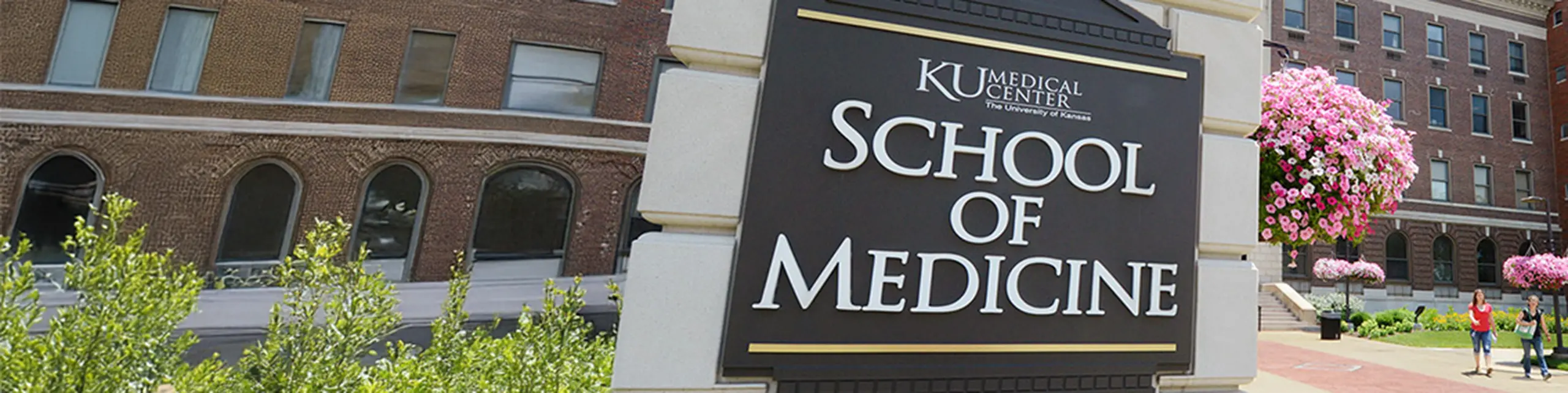
The Master’s in Molecular and Integrative Physiology is part of the School of Medicine, a hub for outstanding educational programs and world-class research.Master’s in Molecular and Integrative Physiology Learning Outcomes
Graduates of the MS in Molecular and Integrative Physiology program will:
- Demonstrate advanced understanding of molecular, cellular, and integrative physiological principles.
- Develop and execute independent research projects in physiology.
- Analyze and interpret experimental data using modern scientific methodologies.
- Communicate scientific findings effectively through written and oral presentations.
- Apply physiological knowledge to real-world healthcare and biomedical challenges.
- Contribute to a team’s educational, scientific, or professional development goals, both as a member and as a leader.
- Demonstrate awareness of individual and group differences and understand how these may influence approaches to teaching, research, and professional activities.
What Careers Are Possible With a Master’s in Molecular and Integrative Physiology?
Graduates of KU’s MS in Molecular and Integrative Physiology program are well-prepared for careers in:
- Biomedical and pharmaceutical research
- Healthcare and clinical laboratories
- Academic institutions and teaching roles
- Biotechnology and life sciences industries
- Regulatory agencies and government research organizations
Many graduates also pursue further education in Ph.D. programs, medical school, or other professional healthcare degrees. Additionally, according to Lightcast, demand for graduates with a molecular physiology degree has grown 42% since 2021, with current median compensation of $96,000/year nationally.
Tuition and Financial Aid
KU offers competitive tuition rates and financial aid opportunities for graduate students. Research assistantships and fellowships may be available for qualifying students.
For more details on tuition, financial aid, and assistantships, please visit KU Financial Aid.
Admission Requirements
Applicants to the MS in Molecular and Integrative Physiology program must meet the following criteria:
- A bachelor’s degree from an accredited institution, including official transcripts. Students with degrees earned outside the U.S. may be subject to transcript evaluation.
- A minimum undergraduate GPA of 3.0 on a 4.0 scale.
- Applicants who are not native speakers of English, whether domestic or international, must demonstrate they meet the Minimum English Proficiency Requirement.
- A background check is required during the admission process and may affect eligibility to enter the program.
- Three letters of recommendation.
- Prerequisite coursework:
- One year of general chemistry
- One year of organic chemistry, or one semester of organic chemistry and one semester of biochemistry
- One year of biological sciences
- One semester of calculus
- One semester of physics
- Research experience (beyond labs associated with lecture courses) is strongly suggested.
For more details on the admission process, visit the Department of Cell Biology and Physiology.
Student Life and Learning Experiences
Students in the MS in Molecular and Integrative Physiology program engage in research projects that explore physiological processes at the molecular and integrative levels. Opportunities include:
- Conducting laboratory-based research alongside faculty mentors.
- Participating in interdisciplinary collaborations with biomedical and clinical researchers.
- Presenting research findings at academic conferences and symposiums.
KU Medical Center provides a dynamic environment for graduate students, with access to:
- Professional development workshops and networking events.
- Student organizations related to biomedical and physiological sciences.
- Collaborative research opportunities across disciplines.
Master’s in Molecular and Integrative Physiology Sample Courses
Students in the MS in Molecular and Integrative Physiology program take a combination of core and elective courses designed to build expertise in physiological sciences. Example courses include:
- Proteins and Metabolism
- Molecular Genetics
- Cellular Structure
- Human Physiology
- Cell Communication
- Introduction to Biomedical Research
For a full course listing, visit the KU Academic Catalog.
Master’s in Molecular and Integrative Physiology Frequently Asked Questions
When should I apply?
Applications are open and accepted on a rolling basis.
How long will it take to complete the degree?
Students typically complete this degree in three years, though the program allows up to seven years for completion.